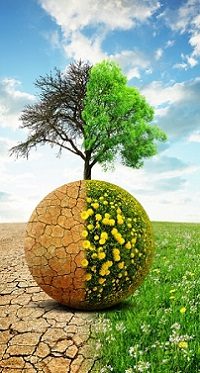
Charcoal and firewood fuel most kitchens across the rangelands — at a heavy cost to trees and family health. Cleaner alternatives are within reach.
In most rural homes across the Horn of Africa, dinner is cooked over firewood or charcoal. It is the fuel people know, and often the only one available. But the hidden costs are enormous: trees cut faster than they can grow back, smoke-filled kitchens, and hours spent collecting wood. Expanding clean energy for rural households is one of the most practical ways to protect both people and the environment.
The true cost of charcoal
- Deforestation. Across the rangelands, acacia and other trees are being over-harvested to meet growing demand for wood fuel. In parts of Somalia charcoal has even become an export commodity.
- Land degradation. Fewer trees mean less shade, less fodder and more soil erosion — making drought impacts worse.
- Health. Smoke from open fires and charcoal stoves causes respiratory illness, especially among women and young children who spend the most time near the fire.
- Time and safety. Women and girls often walk long distances to collect firewood, time that could be spent on school or income.
Cleaner options that work in drylands
Biogas
Small-scale biogas plants turn livestock dung — which pastoralist households have in abundance — into methane gas for cooking and heating. The leftover slurry is an excellent fertiliser. Biogas is especially suited to settled or semi-settled households with animals kept nearby.
Solar
The Horn of Africa has some of the strongest sunshine in the world. Solar lanterns and home systems already light many homes; solar cookers and solar-powered water pumps extend the benefits further.
LPG and improved cookstoves
Liquefied petroleum gas is a clean, efficient option in towns. Where wood is still used, improved cookstoves can cut fuel use significantly and reduce smoke.
What makes adoption succeed
Technology alone is not enough. Clean energy spreads when it is affordable (through savings groups or pay-as-you-go), when local technicians can maintain it, and when families see clear benefits in time, money and health. Women, as the main cooks, must be at the centre of choosing and designing solutions.
VOPA's plans
VOPA plans to establish small-scale biogas plants for household cooking and heating, and to advocate for gas and solar alternatives across Mandera County. Read more in our Clean Energy project, part of our wider climate programme. We are actively seeking partners — get involved.

VOPA builds peace, resilience and dignity with communities in Kenya, Somalia and Ethiopia. About us