Bare, degraded land can be brought back to life. Here is how reseeding and community fodder banks are helping herds survive the dry season.
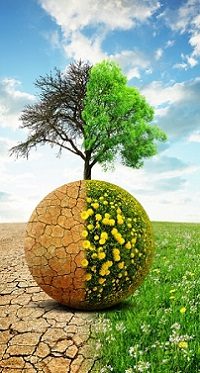
Drive through parts of Mandera County after a long drought and you will see land stripped almost bare. When grass disappears, livestock weaken and die, and the soil — no longer held in place by roots — blows or washes away. Rangeland reseeding and fodder production offer a practical way to reverse this decline.
What is rangeland reseeding?
Reseeding means deliberately sowing grass seed on degraded land so that a healthy cover of vegetation can re-establish itself. In arid areas, the best results come from hardy, drought-tolerant native grasses that are adapted to local conditions and palatable to livestock.
Step by step
- Select the site with the community — usually degraded land near settlements or water points where recovery will have the biggest impact.
- Prepare the soil. Simple techniques such as digging shallow pits or semi-circular bunds trap rainwater and seeds.
- Sow before the rains so that seeds germinate with the first showers.
- Protect the plot from grazing while the grass establishes — often with community agreement or simple fencing.
- Harvest and store. Once established, grass can be cut and baled as hay for the dry season, and seed can be harvested for reseeding elsewhere.
Fodder banks: insurance for the dry season
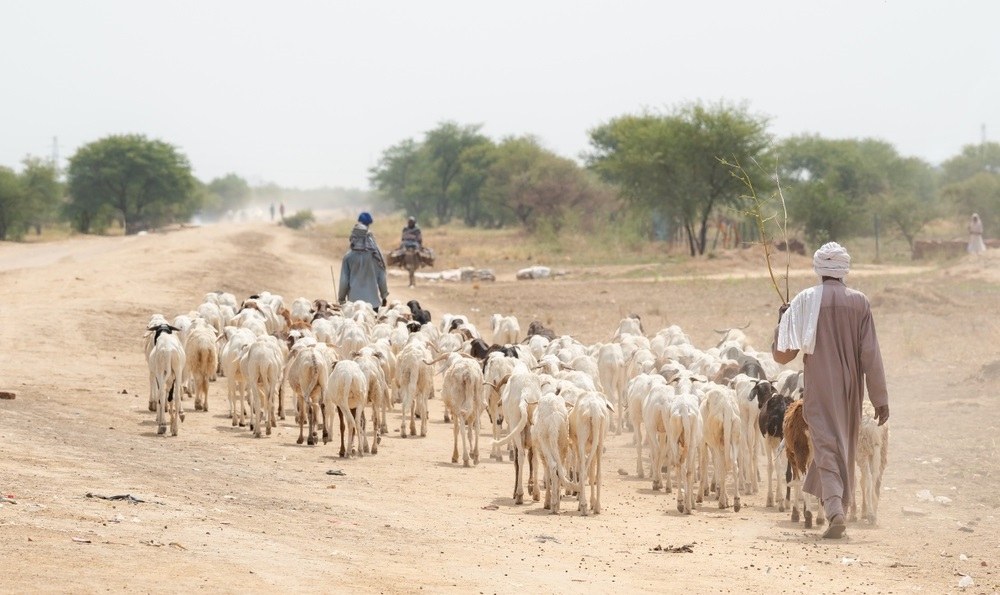
A fodder bank is a community store of hay and crop residues kept for the hardest months. When drought hits, stored fodder keeps breeding animals alive, so herds can recover faster when the rains return. It also reduces the need to move long distances into contested grazing areas — lowering the risk of conflict.
Benefits beyond livestock
- Income — surplus hay and grass seed can be sold, often by women's and youth groups.
- Soil and water — vegetation cover reduces erosion and helps rainwater soak into the ground.
- Climate — restored grasslands store carbon.
- Peace — shared management of reseeded areas builds cooperation between neighbouring communities.
Making it last
Reseeding works best when communities own the process. That means agreeing on grazing rules, choosing who manages the plots, and deciding how benefits are shared. VOPA supports these local institutions so the land stays productive long after a project ends.
Read more about our Rangeland Reseeding and Fodder Production project in Mandera and the Dawa Zone, or explore the bigger picture in Climate Change and Pastoralism in the Horn of Africa.

VOPA builds peace, resilience and dignity with communities in Kenya, Somalia and Ethiopia. About us