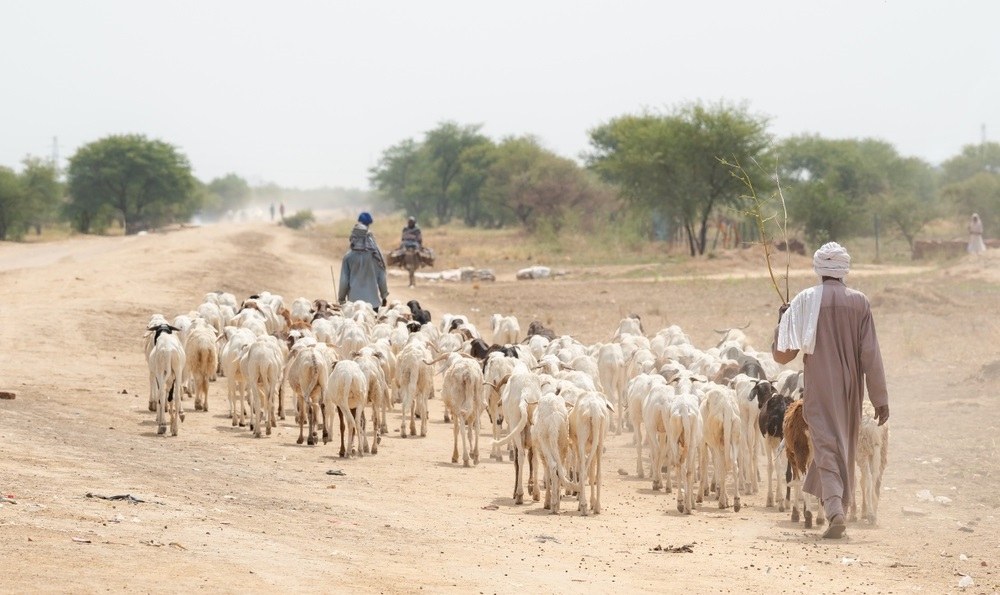
Pastoralists have adapted to a harsh climate for millennia. But more frequent droughts are testing that resilience like never before.
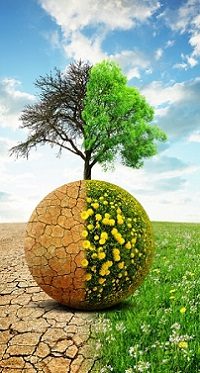
Pastoralism — raising livestock on open rangelands and moving with the seasons — is one of the most sophisticated ways humans have found to live in drylands. For generations, families across the Mandera Triangle have read the land and the sky to keep their camels, cattle, sheep and goats alive. Today, climate change and pastoralism are colliding in ways that threaten this way of life.
A region on the front line
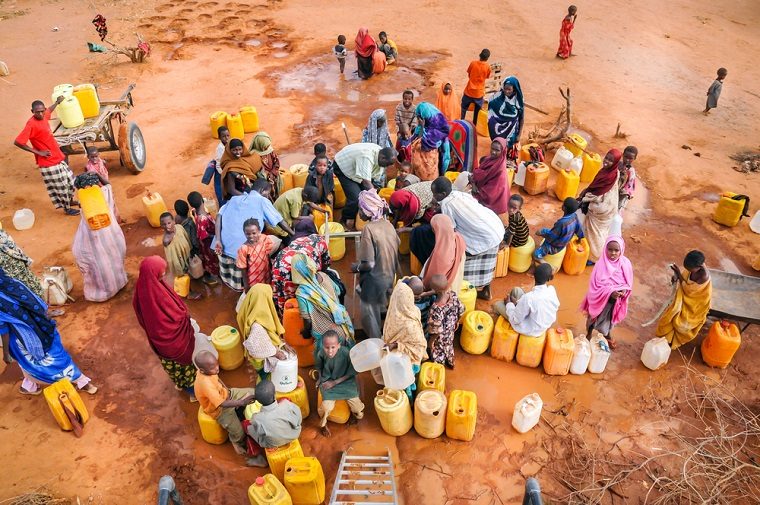
Between 2020 and 2023, the Horn of Africa experienced five consecutive failed rainy seasons — one of the worst droughts in recent memory. Millions of livestock died, and families who measured their wealth in animals lost almost everything. Droughts that once came every decade now arrive every few years, leaving little time for herds and pastures to recover.
How climate stress drives conflict
When water and pasture shrink, herders move further and into areas used by other communities. Competition over scarce resources becomes a trigger for clan conflict. This is why VOPA sees climate adaptation and peace building as two sides of the same coin.
Practical adaptation on the rangelands
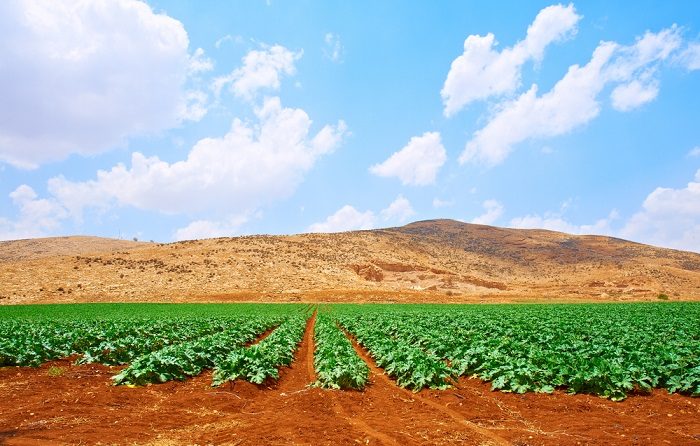
The key to managing rangelands in a changing climate is ecosystem resilience — how well the land recovers after drought or overgrazing. VOPA promotes a set of proven technologies:
- Rangeland reseeding and fodder production — restoring degraded land with hardy grasses and storing fodder for the dry season.
- Water harvesting — capturing scarce rainfall in pans, catchments and tanks.
- Livelihood diversification — adding income sources such as small businesses, poultry or crop farming so families are not wholly dependent on livestock.
- Livestock breeding — favouring hardy breeds that cope better with heat and scarce feed.
- Human and animal health management — vaccination and disease surveillance to reduce losses.
Mitigation: rangelands as carbon stores
Livestock contributes around 14% of global greenhouse gas emissions. But well-managed rangelands also store large amounts of carbon in their soils and vegetation. Improving herd efficiency reduces methane per animal, while restoring grasslands increases carbon uptake. Pastoralists can be part of the climate solution, not only its victims.
Respecting indigenous knowledge
Outsiders sometimes see mobility as a problem to be solved. In fact, moving herds is an efficient way to use variable rainfall. Effective adaptation builds on pastoralists' own knowledge — supporting traditional grazing institutions, protecting migration corridors and combining old wisdom with new tools such as early warning systems.
Looking ahead
The rangelands of the Horn of Africa can continue to support millions of people — if communities, governments and partners invest in resilience now. Learn more about our Climate Change Adaptation & Mitigation work, or explore our rangeland reseeding project.

VOPA builds peace, resilience and dignity with communities in Kenya, Somalia and Ethiopia. About us